




Services

Home > Services

Grain Purchasing

Grain purchasing is an essential part of the agricultural and food production industry. It involves the acquisition of grains, such as wheat, rice, maize, barley, and other cereals, for both human consumption and industrial purposes. The purchasing of grains is crucial for ensuring a steady supply to meet market demands, feed livestock, or produce food and beverage products.

The grain purchasing process must be strategic, transparent, and aligned with market conditions to ensure quality, cost-effectiveness, and sustainability. This process includes determining the types of grains needed, sourcing them from reliable suppliers, negotiating prices, and managing logistics for timely delivery.

Importance of Grain Purchasing

Grain purchasing is not only vital for meeting immediate production needs but also for securing long-term sustainability in the agricultural sector. Here’s why grain purchasing is important:

  1. Ensures Supply Chain Stability: Purchasing grains at appropriate times ensures that manufacturers, distributors, and processors have a steady supply of the raw material necessary for producing food and other products.

  2. Price Management and Cost Control: Strategic grain purchasing allows companies to lock in favorable prices and reduce risks associated with price fluctuations in the market. Effective grain purchasing also helps in managing overall production costs.

  3. Supports Agricultural Communities: By sourcing grains from local or international farmers, grain purchasing can support regional economies and promote fair trade practices. It also fosters long-term relationships with agricultural suppliers.

  4. Sustainability Goals: As sustainability becomes increasingly important, grain purchasing decisions can have a direct impact on agricultural practices. Sourcing grains responsibly helps reduce environmental damage and promotes eco-friendly farming techniques.

Feed Ingredients

Feed ingredients are the components used in the formulation of animal feeds that provide the necessary nutrients required for the growth, health, and production of livestock, poultry, aquaculture, and other farmed animals. These ingredients vary based on the species being fed, the production goals, and the nutritional requirements.

The quality and balance of feed ingredients are crucial for ensuring optimal animal performance, health, and productivity. The formulation of feed involves combining various ingredients to meet the specific dietary needs of animals, such as proteins, energy, fats, vitamins, minerals, and fibers. Feed ingredients must be carefully selected to maintain a cost-effective yet nutritionally balanced diet for animals.

Importance of Feed Ingredients

  1. Nutritional Value: Feed ingredients provide essential nutrients that animals need for growth, reproduction, and maintenance. These nutrients include energy, proteins, fats, vitamins, minerals, and fibers. Proper formulation ensures that the animals receive the right balance of these nutrients.

  2. Animal Health: Proper nutrition through balanced feed ingredients plays a key role in maintaining animal health. It enhances immunity, promotes disease resistance, and improves overall well-being. Feed ingredients can also influence the gut health of animals, which is critical for nutrient absorption.

  3. Economic Efficiency: Cost-effective and high-quality feed ingredients allow farmers to maximize productivity while minimizing feed costs. Formulating feed that meets animals’ specific requirements helps in avoiding overuse of ingredients, thus reducing waste and improving feed conversion efficiency.

  4. Productivity and Performance: Well-balanced feeds contribute to higher production rates in terms of milk, meat, eggs, or wool. The performance of livestock, poultry, and aquaculture species is heavily influenced by the quality of feed ingredients, which determines their growth rates, reproduction cycles, and product quality.

Reliablities

Purified Alcohol

Purified alcohol, commonly referred to as ethanol or ethyl alcohol, is a clear, colorless liquid widely used in a variety of industries. It is a versatile substance with a broad range of applications, from its use in the pharmaceutical industry to its presence in consumer products such as cleaning agents, beverages, and industrial solvents. Purified alcohol is alcohol that has been refined to a high level of purity, typically exceeding 99.5% concentration, making it suitable for various applications that require a high degree of alcohol purity.

Types of Purified Alcohol

  1. Ethanol (Ethyl Alcohol):

    • The most common form of purified alcohol, ethanol, is used both for human consumption (in alcoholic beverages) and industrial purposes (solvent, fuel, etc.).
  2. Isopropyl Alcohol:

    • While not typically consumed, isopropyl alcohol is another purified alcohol used mainly as a disinfectant and solvent. It is used in cleaning products, medical wipes, and as an antiseptic in medical settings.
  3. Denatured Alcohol:

    • This is ethanol that has been rendered undrinkable by adding toxic substances, such as methanol or other chemicals. Denatured alcohol is used in industrial applications and as a solvent.

CO2 & Dry Ice

Carbon dioxide (CO2) is a colorless, odorless gas that occurs naturally in the Earth’s atmosphere. It is a vital part of the carbon cycle, a fundamental environmental process that helps maintain the balance of gases in the atmosphere. CO2 is used in various industries, including food and beverage production, chemical manufacturing, and healthcare, due to its unique properties and versatility.

Production of Dry Ice

Dry ice is produced by compressing and cooling gaseous CO2 until it becomes a liquid. This liquid is then expanded and cooled further to form solid CO2. The solid CO2 is then compressed into blocks, pellets, or other forms suitable for commercial use.

  1. Compression and Expansion:

    • The CO2 gas is first compressed into liquid form under high pressure.
    • The liquid CO2 is then released through a nozzle into a low-pressure chamber, where it rapidly cools and solidifies into dry ice.
  2. Forming Dry Ice:

    • Once solidified, dry ice is compressed into different shapes, such as pellets, blocks, or chips, depending on its intended use.
  1.  

Asphalt Rejuvenator & PG Modifier

Asphalt rejuvenators are specially formulated products used to restore the properties of aged asphalt pavement, making it more flexible, durable, and resistant to further deterioration. As asphalt ages, it becomes brittle due to exposure to UV rays, oxygen, and temperature fluctuations, resulting in cracking, raveling, and reduced overall performance. Asphalt rejuvenators help reverse this process by reintroducing the lost oils and resins, effectively restoring the binder’s characteristics.

Asphalt rejuvenators are used primarily in pavement maintenance and rehabilitation to prolong the life of roads, highways, and parking lots, ultimately reducing the need for costly repairs or full resurfacing.

Carbon dioxide is produced both naturally and synthetically. Natural sources of CO2 include volcanic eruptions, respiration by animals and plants, and the fermentation of organic matter. However, the majority of CO2 used in industrial applications is produced through industrial processes:

  1. Combustion of Fossil Fuels:

    • The burning of fossil fuels (coal, oil, and natural gas) produces significant quantities of CO2 as a by-product. This is one of the most common sources of CO2 for industrial use.
  2. Fermentation:

    • CO2 is a by-product of fermentation processes, especially in the production of alcoholic beverages and biofuels. The fermentation of sugars by yeast produces ethanol and carbon dioxide.
  3. Recovery from Industrial Processes:

    • In certain industrial processes, CO2 is captured and purified from the exhaust gases of power plants, oil refineries, and chemical production plants.
  4. CO2 Capture Technology:

    • Advanced technologies, such as carbon capture and storage (CCS), are employed to capture CO2 from industrial sources before it is released into the atmosphere.

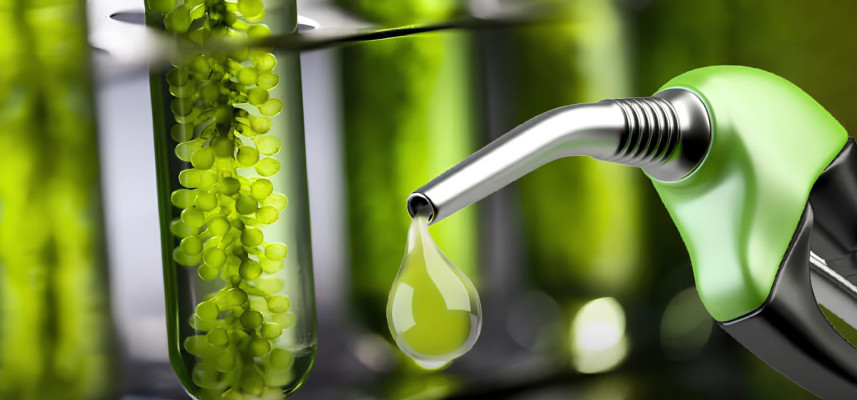
Bioethanol

Bioethanol is a renewable, environmentally friendly form of ethanol produced from plant-based materials. It is one of the most widely used biofuels and is primarily utilized as a substitute for gasoline in internal combustion engines, offering a cleaner alternative with lower greenhouse gas emissions. Bioethanol is typically produced through the fermentation of starches, sugars, and other carbohydrates found in agricultural crops like corn, sugarcane, wheat, barley, and cellulosic materials. The production of bioethanol not only provides a sustainable energy source but also reduces the dependency on fossil fuels.

Types of Bioethanol

  1. First-Generation Bioethanol:

    • Feedstocks: Produced from food crops like corn, sugarcane, wheat, and barley.
    • Production Process: It involves the fermentation of sugars or starches present in these crops, which are easily converted into ethanol by microorganisms such as Saccharomyces cerevisiae (brewer’s yeast).
    • Applications: Used as a fuel additive (E10, E15, E85) to gasoline or as an alternative fuel in flexible fuel vehicles (FFVs).
  2. Second-Generation Bioethanol (Cellulosic Bioethanol):

    • Feedstocks: Produced from non-food plant material, such as cellulose from woody plants, grasses, or agricultural residues like straw and corn stover.
    • Production Process: This process is more complex than first-generation bioethanol, requiring pretreatment to break down the cellulose into fermentable sugars before fermentation can occur.
    • Applications: Used in the same way as first-generation bioethanol, with the added benefit of not competing with food crops for land.

+91-6299501383

24/7 Support for Your Business

© 2024 Created with Bhagalpur Bio Refinery